

Story and Photos by Jonah Collins
Owanka, South Dakota, is a ghost town on the Rapid City, Pierre & Eastern Railroad. At one time, it was a thriving community of several dozen people.
“Owanka” is an old Sioux word meaning “good camping ground.” The Sioux favored this site for its protection from the oppressive South Dakota wind and bountiful water from Boxelder Creek.
European settlement here was, in a word, tumultuous. After homesteads were established here in the 1880s, water from Boxelder Creek became unreliable. Mining at the Homestake Mine, 60-ish miles to the west, meant that water rarely flowed this far east, and whatever water did make it was dangerously alkaline. The creek bed was white for decades. As a result, the community relied on the Chicago & North Western Railway to haul in water for crops and their own survival.
In 1924, the Bank of Owanka was robbed with explosives. The perpetrators were never caught. The bank failed in May 1929 — several months before the market crash that led to the Great Depression. The bank failure was the first wave of exodus from the town. The railroad stopped hauling water here by 1935, which sent off much of the rest of the population. A murder in the late 1930s caused significant social friction as people in the town took sides, and more people left. The last cattle left in 1949, and by 1960, the high school closed. The elementary school closed in 1964, and the town has been home to only one family since.
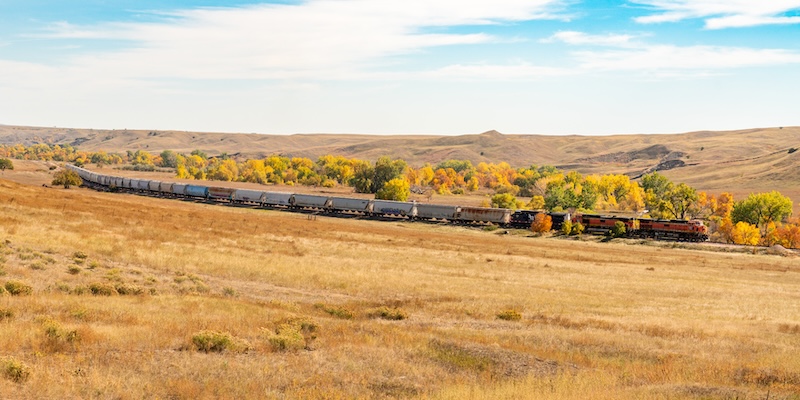
On October 8, 2026, the silence in the valley here was broken only by the passage of the westbound RCP&E freight bound for Rapid City. The Dash 9 diesels are the first “modern” power to ply the rails here, and are only about six weeks into their assignment to this desolate route.
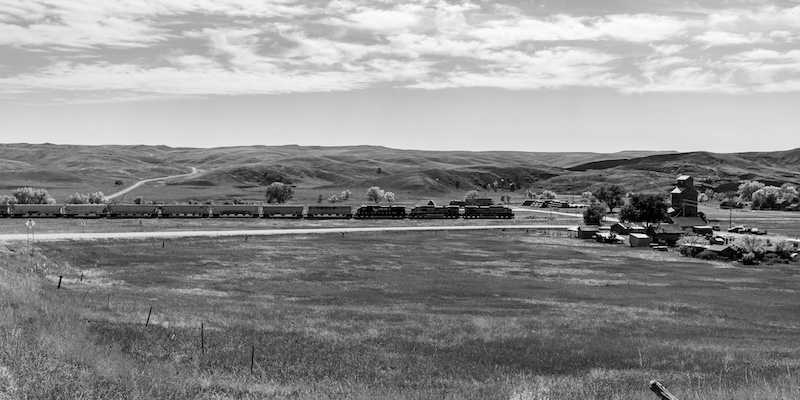
The westbound Pierre-Rapid City freight shakes Owanka awake on October 8, 2026. Most days, there is only one train in each direction, mostly made up of covered hoppers for grain and bentonite.
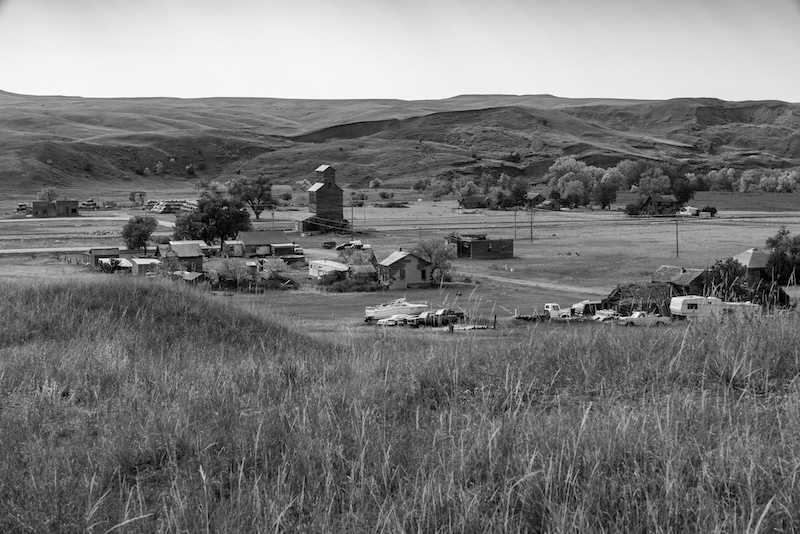
The ghost town in full. Only one family inhabits this area full-time. Photo on October 8, 2026.
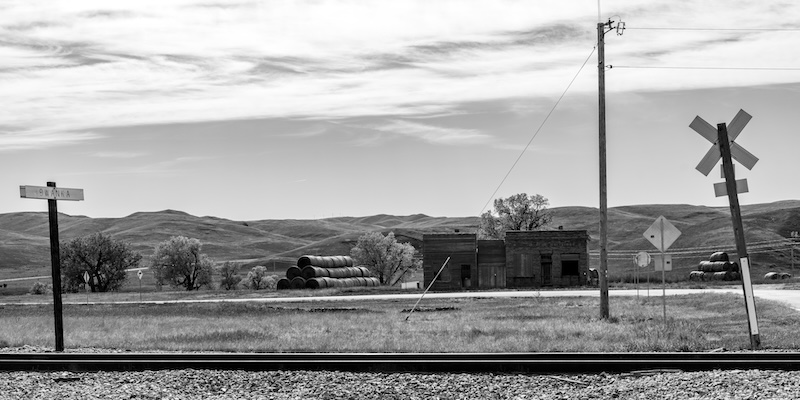
The former business district faced the tracks and the depot. At one time, these tracks saw service from the Dakota 400, but passenger trains haven’t passed here since 1960. Photo on October 8, 2026.
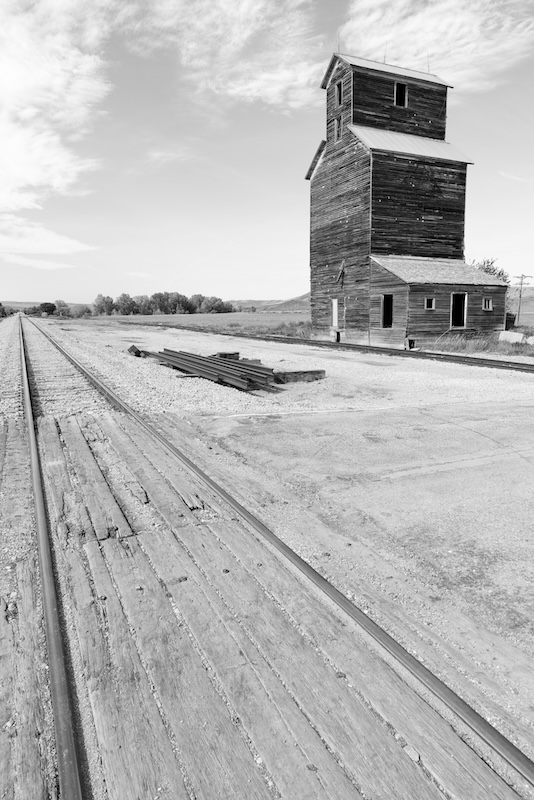
The grain elevator here stands sentinel over the prairie on October 8, 2026. The elevator was the location of the murder that helped tear the community apart.
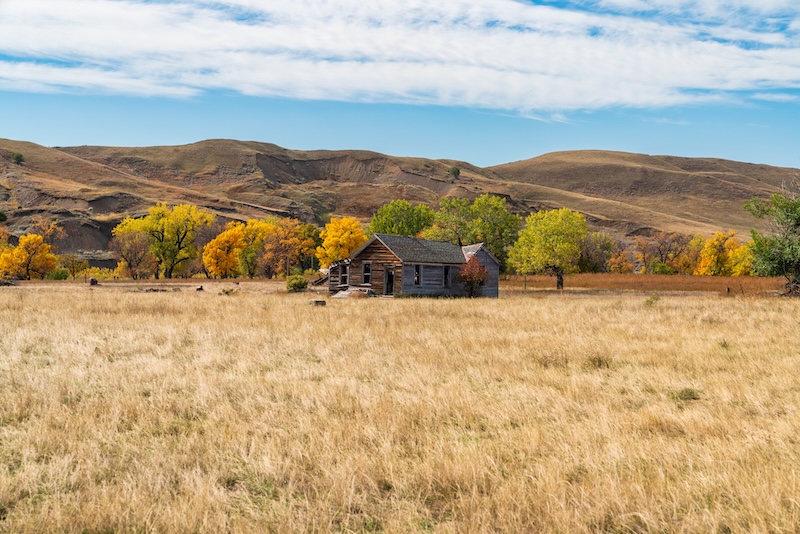
One of the town’s several abandoned homes near the railroad on October 8, 2026.